

CLINICAL SOLUTION / GASTROINTESTINAL
Gastrointestinal Endoscopy
Plan around access
and clinical intent.
Gastrointestinal endoscopy is shaped by patient size, insertion route and the anatomy that must be reached.
Visualization may be the starting point, but biopsy, retrieval, irrigation and documentation affect the system configuration.
Define the route. Confirm the working requirements. Prepare the complete workflow.
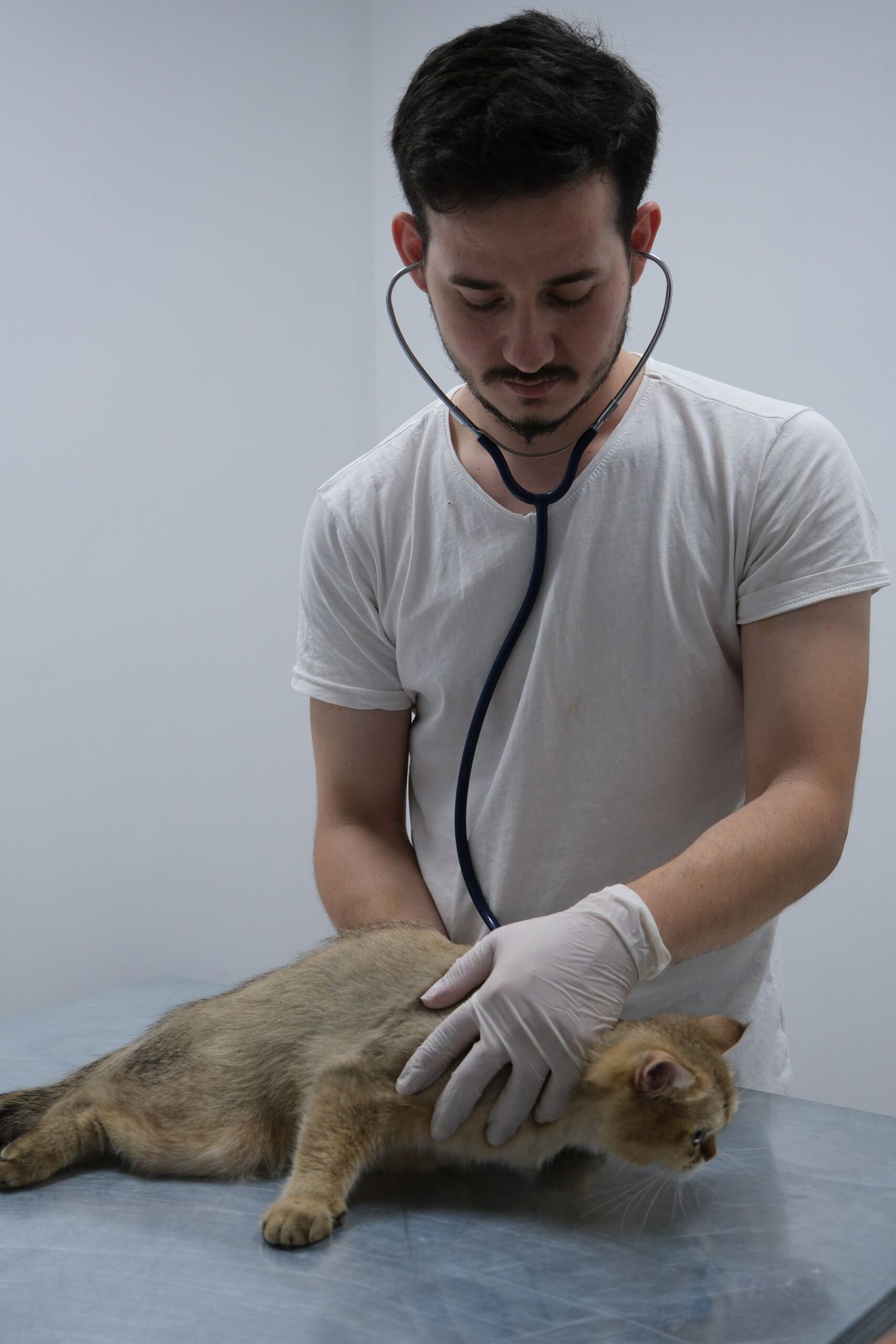
Two routes.
One complete workflow.
UPPER GI ENDOSCOPY
01
Patient preparation
Plan fasting, positioning and procedural access.
02
Reach and diameter
Match insertion length and scope size to the patient.
03
Working channel
Confirm biopsy, retrieval and irrigation requirements.
LOWER GI ENDOSCOPY
01
Preparation pathway
Align preparation and access with the intended examination.
02
Target anatomy
Define the region and necessary insertion reach.
03
Sampling plan
Prepare compatible biopsy and retrieval instruments.
What defines
the GI setup?
♧
Patient size
Balance diameter and reach with the patient.
⊙
Insertion length
Select working length for the target anatomy.
⌀
Channel capacity
Plan suction, irrigation and instrument access.
⌁
Image workflow
Support documentation and case review.
From visualization
to intervention.
The right gastroscope, processor, monitor and accessories should work as one coordinated clinical system.
Relevant products.
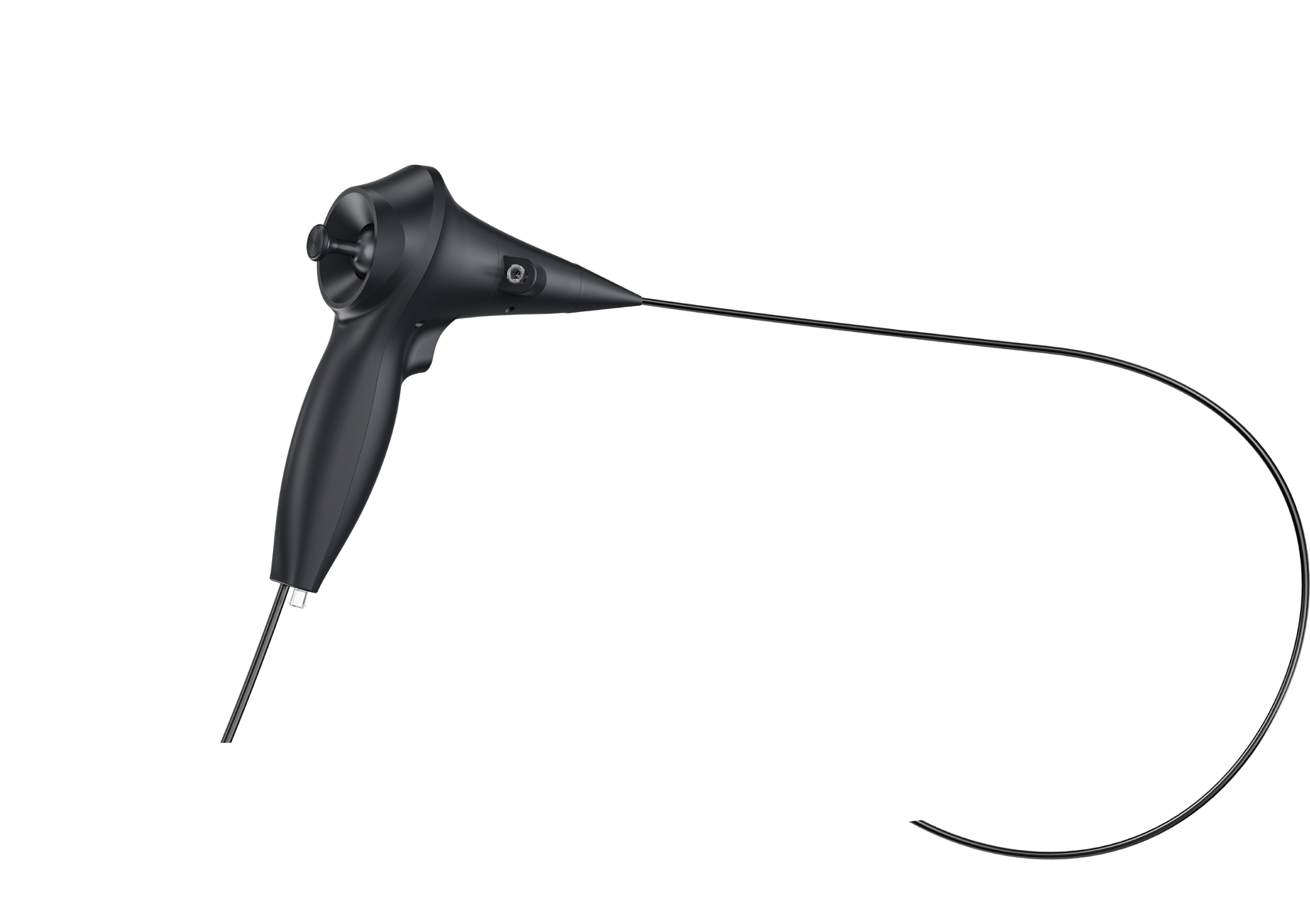
Veterinary Gastroscope
Flexible GI visualization with working-channel access for diagnostic and interventional procedures.
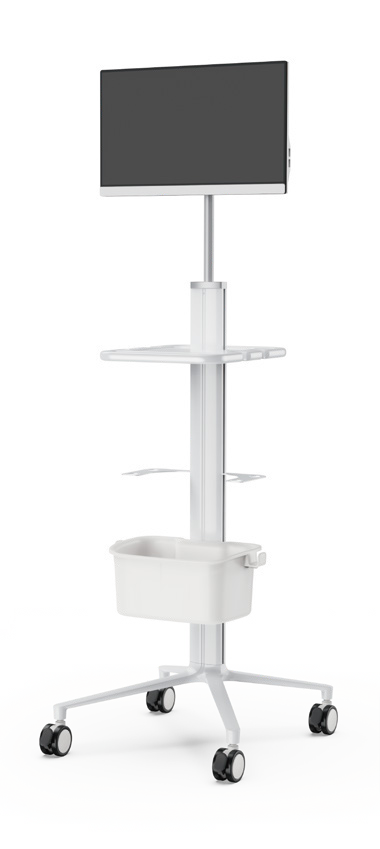
Veterinary Endoscopy Workstation
Integrated imaging, display and workflow support for gastrointestinal procedures.