

CLINICAL SOLUTION / RESPIRATORY
Respiratory Endoscopy
Airway access begins
with the route.
Respiratory endoscopy may focus on the upper airway, trachea or bronchial tree.
Patient size, airway diameter, intended reach and sampling needs all influence the choice of scope and supporting equipment.
Begin with the target airway. Then define access, handling and working-channel needs.
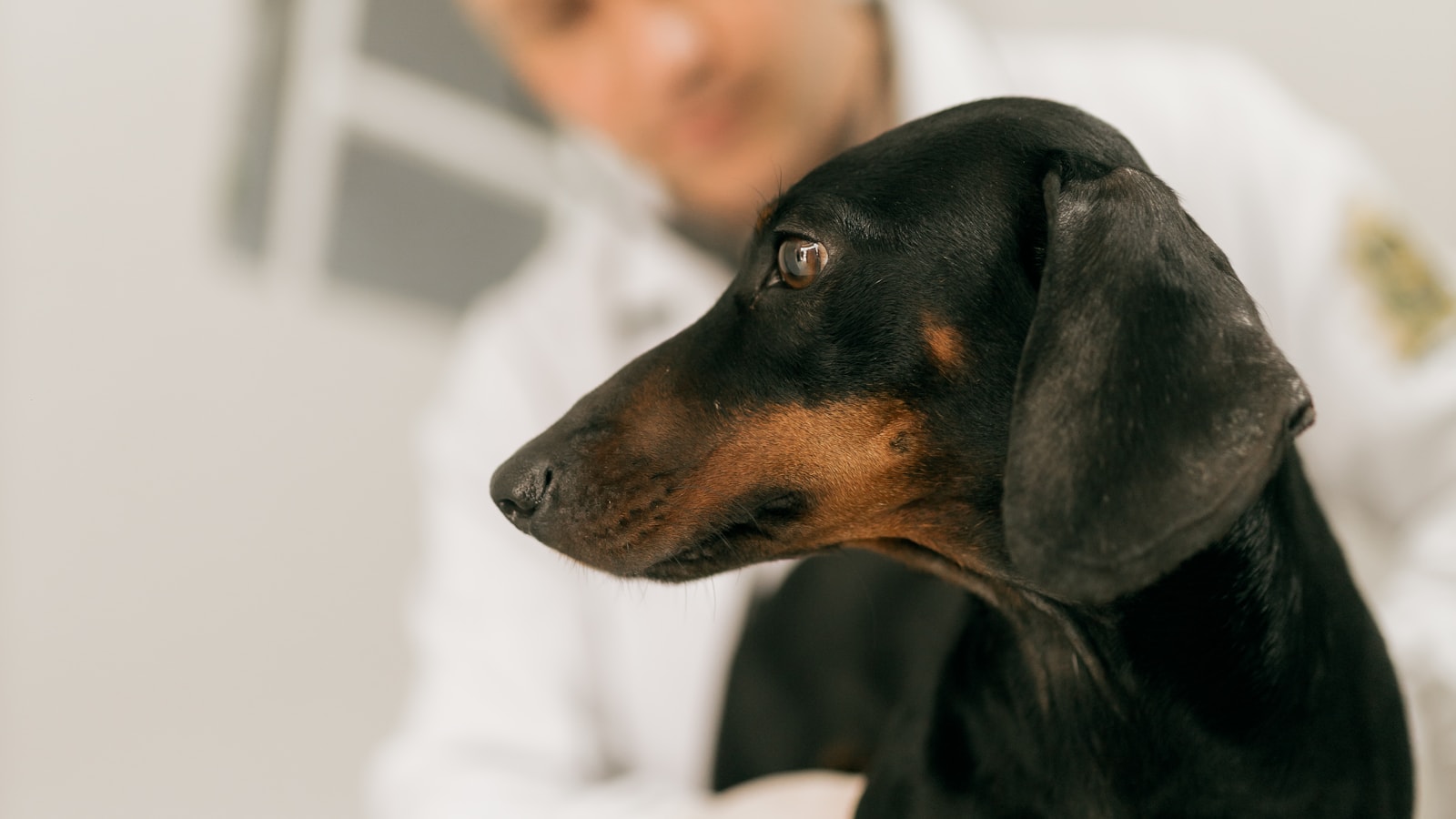
Upper and lower airway.
Different access decisions.
UPPER AIRWAY
01
Target structure
Define nasal, pharyngeal or laryngeal visualization.
02
Patient factors
Consider anatomy, size and procedural tolerance.
03
Handling needs
Select the route and scope control for stable viewing.
LOWER AIRWAY
01
Reach requirement
Plan access to the trachea and bronchial tree.
02
Scope diameter
Balance airway access with image and channel needs.
03
Sampling pathway
Confirm suction, lavage or instrument compatibility.
What defines
airway access?
♧
Patient airway
Match diameter and reach to the anatomy.
⊙
Target level
Clarify upper or lower respiratory objectives.
⌀
Working access
Plan sampling and suction requirements.
⌁
Procedure setting
Align imaging, monitoring and team workflow.
Clear access.
Controlled visualization.
Scope handling, image quality and working access need to stay coordinated throughout the respiratory procedure.
Relevant products.
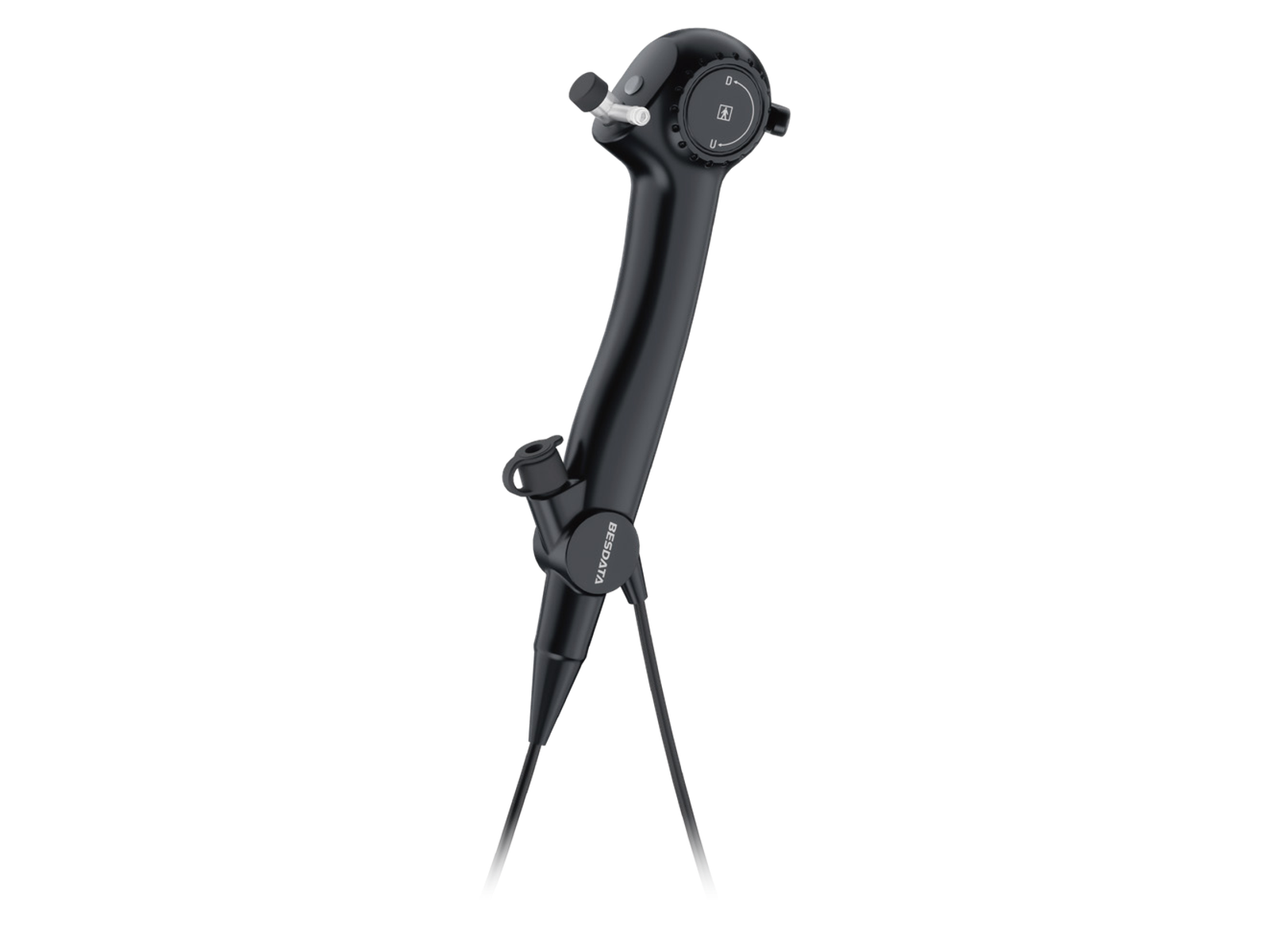
Veterinary Flexible Endoscope
Flexible airway access with controlled steering and working-channel capability.
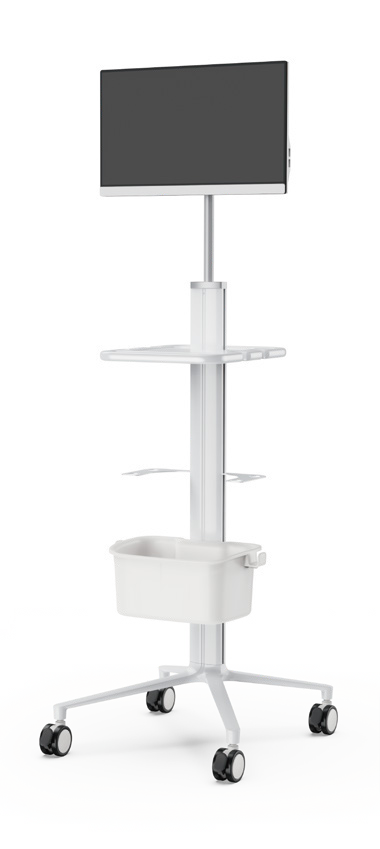
Veterinary Endoscopy Workstation
A complete visualization platform for image display, documentation and procedure support.