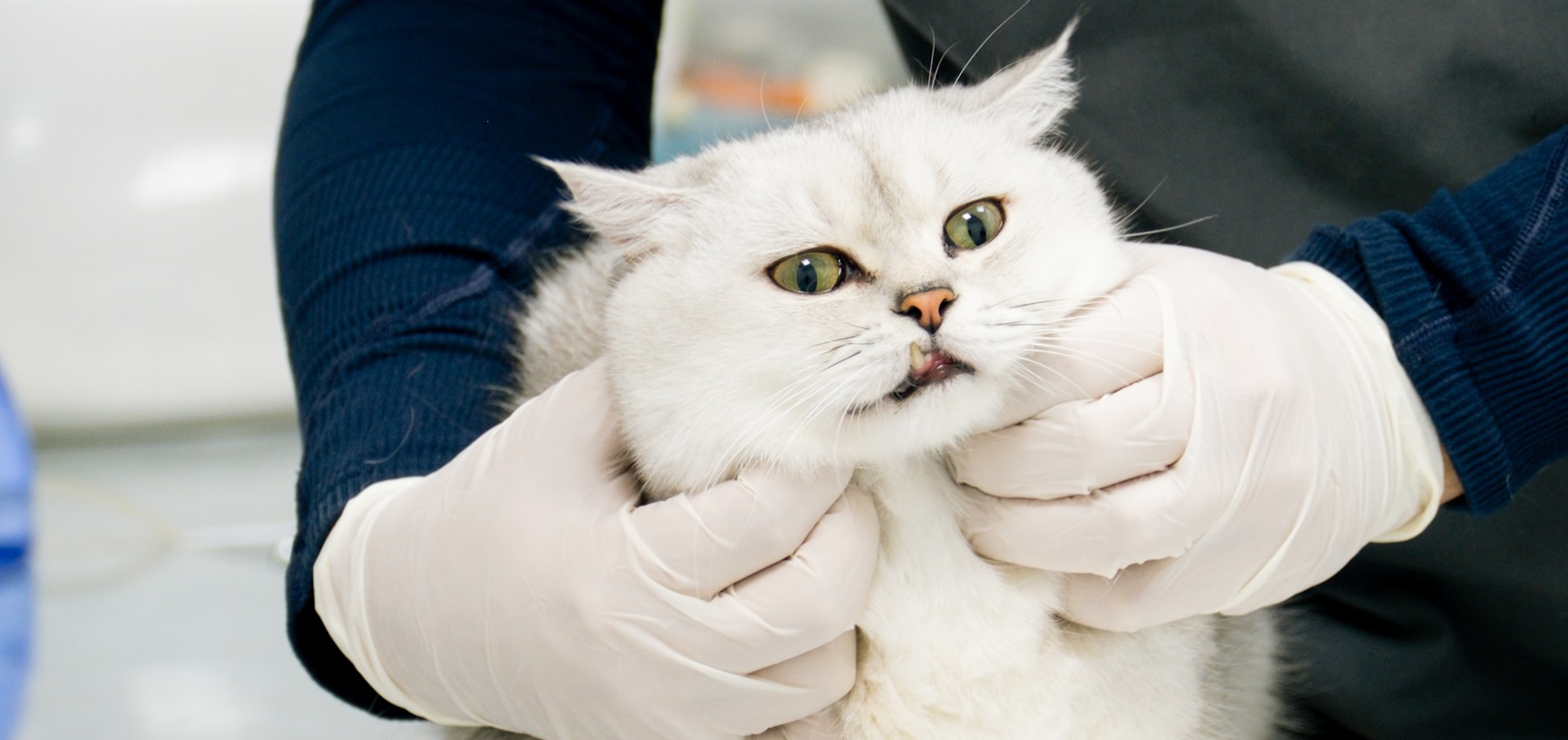

CLINICAL GUIDE
How to choose a veterinary endoscope for your practice.
A practical framework for matching visualization, access and workflow to everyday veterinary cases.
8 MIN READ / BUYER GUIDE / JULY 2026
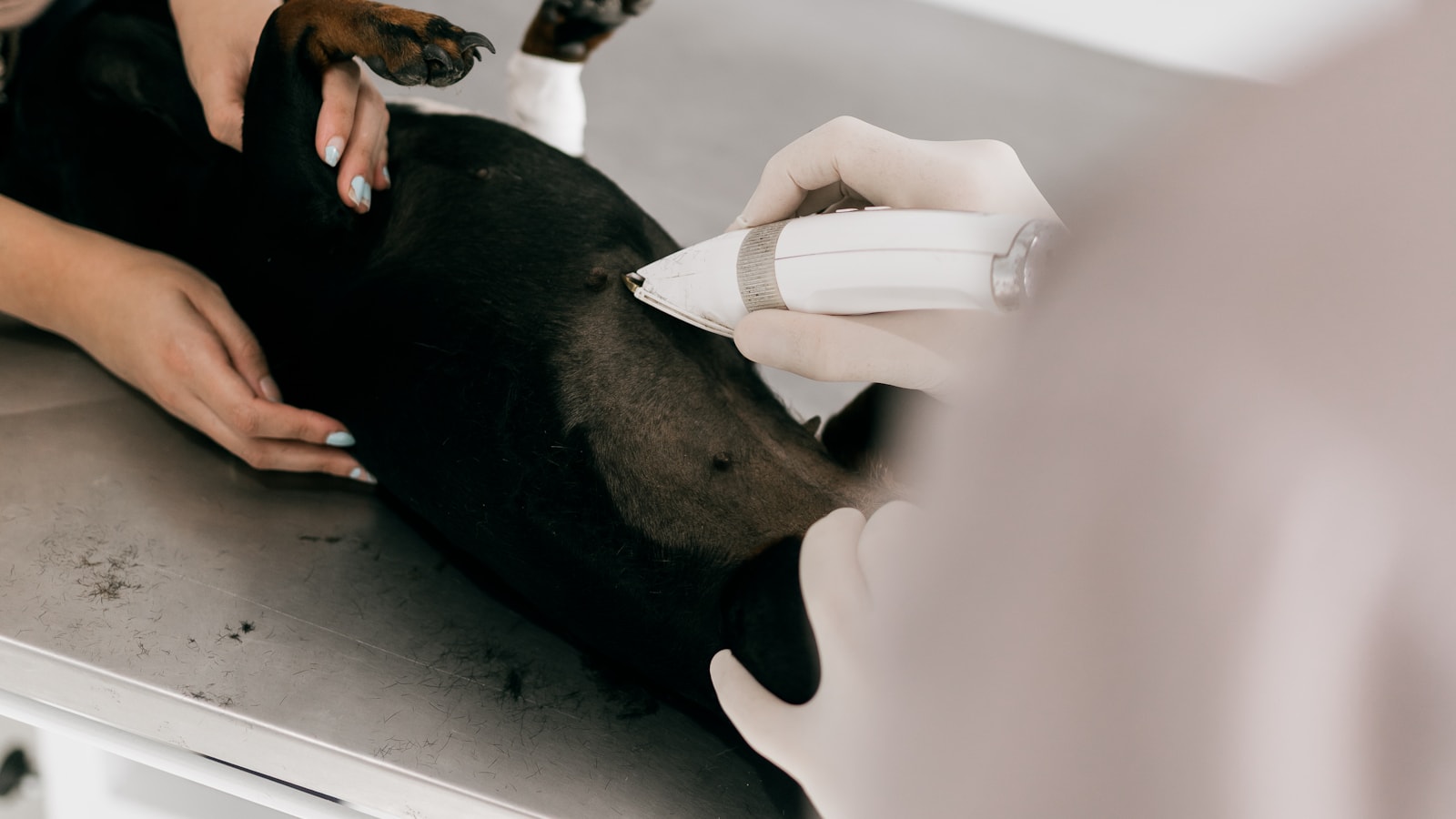
There is no single endoscope that is perfect for every practice. The best choice balances image quality, access to the target anatomy, team workflow and long-term reliability. Use the framework below to make a confident, future-ready decision.
KEY POINT
Define the procedures you perform most often, the patients you see and the workflow you want to support. Let that drive your specification – not the other way around.
Start with the clinical need.
List the procedures you perform most often and the ones you want to add next. Consider patient size, species and common pathologies. This will shape the type of endoscope, working length, diameter and instrument channel that make sense for your practice.
A portable otoscope may suit routine ear examinations. Flexible endoscopy becomes more relevant when the anatomy requires navigation, angulation or a working channel. Rigid systems can provide controlled access in appropriate minimally invasive procedures.
Match the scope to the anatomy.
Different anatomies require different scope characteristics. Choose an endoscope that delivers the reach, field of view and instrument compatibility you need without compromising image quality or handling.
A practical comparison
| Pathway | Access | Typical consideration |
|---|---|---|
| Upper GI | Oral | Working length, tip angulation and suction/irrigation |
| Lower GI | Rectal | Diameter, flexibility and instrument channel |
| Respiratory | Nasal / oral | Outer diameter, working channel and deflection |
| Urology | Urethral | Sheath compatibility, irrigation and small diameter |
Consider the complete workflow.
Image capture, documentation and cleaning all affect daily efficiency. Look for systems that integrate display, light source, documentation and accessories in a way that is intuitive for your team.
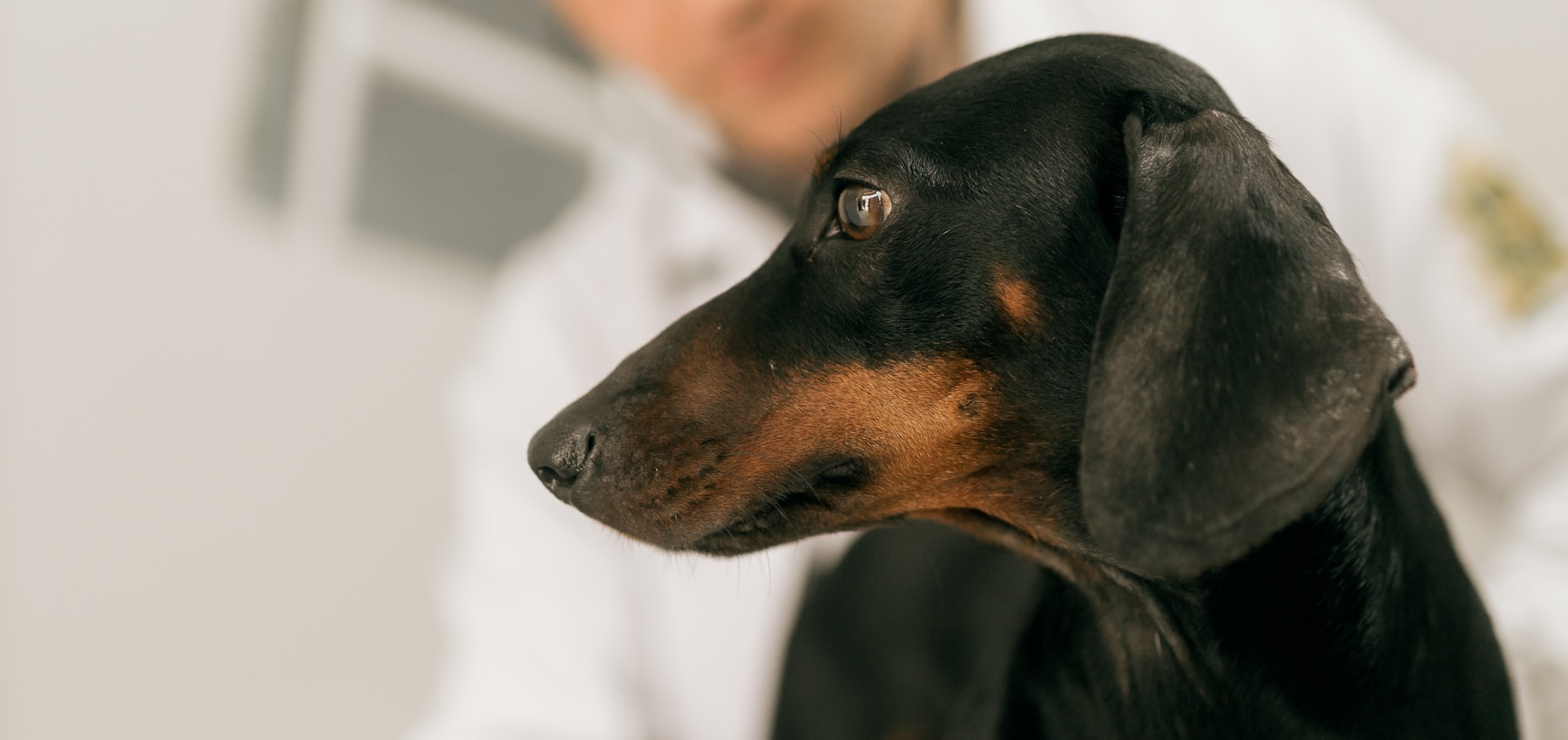
Evaluate the whole pathway: visualization, access, accessories, documentation, reprocessing and technical support.
Questions to ask before choosing.
- Does the system match our most common procedures?
- Will it grow with our practice over the next three to five years?
- Is image quality consistent across the field of view?
- How easy is cleaning, maintenance and repair?
- What training and technical support is available?
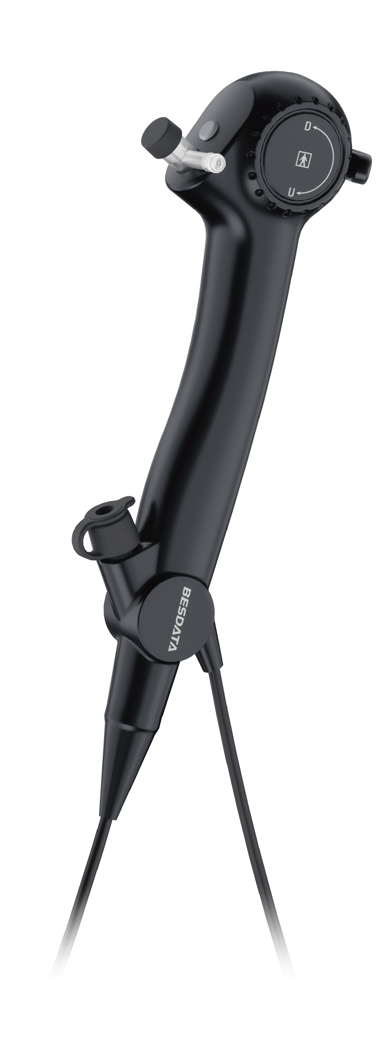
RELEVANT SYSTEMS
Looking for a system that fits your practice?
Explore Lumivet endoscopy systems designed around veterinary access, imaging and workflow requirements.
Frequently asked questions.
What endoscope size is best for a small animal practice?
The answer depends on patient range and intended procedures. A smaller outer diameter improves access, while a larger channel may improve suction and instrument compatibility.
Do I need a separate light source and monitor?
Some portable systems integrate visualization, while modular flexible and rigid systems may use separate processors, light sources and displays.
How important is the working channel?
The channel influences suction, irrigation, sampling and instrument compatibility. It should be considered together with outer diameter and procedure type.
How should I plan for cleaning and maintenance?
Confirm reprocessing instructions, compatible cleaning accessories, storage requirements and the route for service or replacement parts before purchase.